

Asphalt vs. Concrete Driveways in Austin: Which Option is Right for You?
Author: Tiffany Kennedy
Tiffany Kennedy is a professional writer and digital marketing manager who helps local businesses connect with homeowners through clear, engaging content. She specializes in breaking down complex topics like driveway paving into practical, easy-to-understand advice.
Your driveway is one of the first things people notice about your home, and one of the last decisions many homeowners think carefully about before signing a contract. In Austin’s unique climate and rapidly growing real estate market, choosing the right driveway material can mean the difference between a surface that lasts 15 years and one that lasts 50.
The two most popular residential driveway options in Austin are asphalt and concrete. Both are proven, durable, and widely available from local paving contractors, but they perform very differently depending on your budget, timeline, aesthetic goals, and how Austin’s notoriously hot summers affect each material.
This guide walks you through everything you need to know: the pros and cons of each material, real cost comparisons in the Austin market, maintenance demands, and how central Texas weather affects long-term performance. By the end, you will have a clear picture of which paving option is the right fit for your home.
Pros and Cons of Asphalt Driveways
Asphalt is a petroleum-based material that has been the go-to choice for budget-conscious homeowners and large commercial paving projects alike. In Austin, it is commonly used in neighborhoods where a clean, uniform dark surface is preferred and where lower upfront cost is a priority.
Pros of Asphalt
- Lower upfront cost. Asphalt installation in Austin averages $3–$5 per square foot, making it the more affordable option for most homeowners.
- Faster usability. A freshly paved asphalt driveway can typically be driven on within 24–72 hours of installation, compared to 5–7 days for concrete.
- Easier repairs. Cracks and surface damage can be patched with asphalt filler or resurfaced with an overlay, without tearing out the entire slab.
- Flexible in cold snaps. Asphalt’s natural flexibility helps it withstand freeze-thaw cycles better than rigid concrete, which is useful during Austin’s occasional winter ice storms.
- Widely recyclable. Asphalt is one of the most recycled construction materials in the U.S., making it a relatively sustainable option.
Cons of Asphalt
- Heat sensitivity. Austin summers regularly push past 100°F, and asphalt can soften, develop surface ruts, or become sticky under prolonged exposure to extreme heat.
- Shorter lifespan. Well-maintained asphalt typically lasts 20–30 years, compared to 30–50 years for quality concrete.
- Ongoing sealing required. Asphalt must be sealed every 3–5 years to prevent cracking, oxidation, and water damage, adding to your lifetime maintenance costs.
- Limited aesthetic options. Asphalt is available in black only, offering none of the decorative stamping or color staining available with concrete.
- Petroleum-based material. Some homeowners prefer to avoid asphalt due to its fossil fuel content and the potential for minor chemical leaching near garden beds.
Pros and Cons of Concrete Driveways
Concrete is a cement-based material that cures into a rigid, long-lasting slab. It is widely used across Central Texas and is the preferred material for homeowners prioritizing longevity, curb appeal, and minimal long-term maintenance.
Pros of Concrete
- Longer lifespan. A well-installed concrete driveway in Austin can last 30–50 years with routine maintenance, delivering strong return on investment.
- Handles Austin heat better. Concrete’s lighter color reflects sunlight rather than absorbing it, making it more resistant to softening and surface damage in extreme heat.
- Minimal ongoing maintenance. Beyond occasional sealing and cleaning, concrete driveways require very little attention compared to asphalt.
- Decorative versatility. Concrete can be stamped, stained, colored, or finished with exposed aggregate, giving homeowners far more design flexibility.
- Adds resale value. Decorative or well-maintained concrete driveways are viewed as a premium feature by homebuyers in Austin’s competitive real estate market.
Cons of Concrete
- Higher upfront cost. Concrete installation typically runs $6–$12 per square foot in Austin, roughly double the cost of asphalt.
- Longer cure time. Concrete must cure for 5–7 days before you can drive on it, extending your project timeline.
- More difficult to repair. Cracks in concrete are hard to fix invisibly; patches often stand out visually against the surrounding slab.
- Prone to staining. Oil, grease, and rust stains can penetrate concrete surfaces if not treated quickly, and some stains become permanent.
- Susceptible to cracking on clay soils. Austin’s expansive clay soils shift seasonally, and without proper reinforcement and sub-base prep, concrete can develop structural cracks.
Cost Comparison in Austin
Cost is often the deciding factor for Austin homeowners, but focusing only on installation price can be misleading. Asphalt costs less to install but requires more frequent maintenance and replacement over its shorter lifespan. Concrete costs more upfront but tends to be more economical over 30–50 years.
Here is a direct side-by-side comparison across the factors that matter most:
| Factor | Asphalt | Concrete | Edge |
|---|---|---|---|
| Install Cost/sq ft | $3 – $5 | $6 – $12 | Asphalt |
| Lifespan | 20 – 30 years | 30 – 50 years | Concrete |
| Heat Tolerance | Softens >100°F | Stays firm | Concrete |
| Repairability | Easy patch & overlay | Visible patches | Asphalt |
| Sealing Frequency | Every 3 – 5 years | Every 3 – 5 years | Tie |
| Aesthetic Options | Black only | Stamp / stain / color | Concrete |
| Install Timeline | Ready in 24 – 72 hrs | Cure 5 – 7 days | Asphalt |
| Resale Value Boost | Moderate | Higher | Concrete |
Typical Project Costs for Austin Homeowners
(This is standard but not specific to Centex Asphalt. Please request a free quote for your project.)
- Standard 2-car asphalt driveway (400–600 sq ft): $1,200 – $3,000 installed
- Standard 2-car concrete driveway (400–600 sq ft): $2,400 – $7,200 installed
- Decorative stamped concrete (same size): $4,500 – $12,000+
- Asphalt resurfacing / overlay: $800 – $2,500
- Concrete crack repair (per linear foot): $5 – $15
These figures reflect general Austin market rates. Your final quote will depend on site conditions, soil prep requirements, driveway size and shape, and the contractor you select. Always obtain at least three bids from licensed Austin paving contractors before committing.
Over a 50-year horizon, a well-maintained asphalt driveway may require two resurfacings and multiple sealing cycles, often costing as much or more than a concrete driveway installed at the start. Factor lifetime cost into your budget, not just the day-one price.
Maintenance Requirements
The right maintenance routine extends the life of either material significantly. Neglected driveways in Austin, regardless of material, deteriorate quickly under the combination of UV radiation, clay soil movement, and occasional hard freezes.
Asphalt Maintenance Schedule
- Year 1: Allow the asphalt to fully cure. Avoid parking heavy vehicles or turning wheels in place on the surface.
- Years 2–3: Apply the first sealcoat once the asphalt has oxidized slightly. This protects against UV damage, water penetration, and fuel/oil spills.
- Every 3–5 years: Reapply sealcoat to maintain surface integrity and appearance.
- As needed: Fill any cracks promptly using asphalt crack filler before water infiltration and freeze-thaw cycles widen them.
- Every 10–15 years: Consider a resurfacing overlay to refresh the top layer and add years to the driveway’s life.
Concrete Maintenance Schedule
- Year 1: Keep heavy vehicles off the surface for at least 30 days. Avoid de-icing salts during the first winter.
- Every 2–5 years: Apply a penetrating concrete sealer to resist moisture, staining, and surface degradation.
- As needed: Fill hairline cracks immediately with concrete caulk or polyurethane filler to prevent widening.
- Ongoing: Clean oil and grease stains promptly using a degreaser before they permanently penetrate the slab.
- Tree management: Monitor tree root growth near the driveway. Expanding roots are one of the leading causes of concrete cracking in Austin’s tree-heavy neighborhoods.
The bottom line on maintenance: asphalt demands more consistent attention and ongoing spending, while concrete is more of a set-and-forget material once properly sealed. If you prefer a low-maintenance driveway and can absorb the higher upfront cost, concrete has a clear advantage.
Weather and Climate Considerations for Austin
Austin’s climate is one of the most important factors in determining which driveway material is right for your home. The city sits in a zone that combines subtropical heat, periodic drought, heavy rainfall, and occasional severe winter events, a combination that tests both asphalt and concrete in different ways.
Extreme Summer Heat
Austin regularly records summer temperatures above 100°F, and heat index values can climb even higher. This is where asphalt faces its greatest vulnerability. At sustained high temperatures, asphalt binder can soften, causing the surface to rut, deform under vehicle tires, or develop tracking marks. South-facing driveways that receive direct afternoon sun are especially at risk.
Concrete handles Austin’s summer heat significantly better. Its lighter color reflects solar radiation rather than absorbing it, keeping the surface temperature lower and the slab structurally stable. If you have a sun-exposed driveway orientation, concrete’s heat performance is a major advantage.
Expansive Clay Soils
Much of Austin, particularly Central, North, and West Austin sits on expansive Vertisol clay soils that swell when wet and shrink dramatically when dry. This constant ground movement puts tremendous stress on rigid concrete slabs, leading to cracking if the sub-base is not properly engineered. Asphalt’s flexibility allows it to move slightly with the soil, making it somewhat more forgiving on problematic clay.
The solution for concrete is proper sub-base preparation: compacted base material, adequate slab thickness (4–6 inches minimum), and steel rebar or fiber mesh reinforcement. Do not hire any contractor who skips these steps, they are non-negotiable for concrete longevity in Austin.
Freeze Events and Winter Weather
Austin is not known for harsh winters, but events like the February 2021 ice storm remind residents that severe cold is a real possibility. Asphalt’s flexibility gives it a slight edge during freeze-thaw cycles. It can flex without fracturing in the way concrete sometimes does. Concrete is more brittle in freezing conditions, particularly if water has infiltrated existing cracks and expands when frozen.
The practical takeaway: seal both materials before winter to minimize water infiltration, and avoid using rock salt or chloride-based de-icers on concrete. They accelerate surface deterioration.
Heavy Rain and Drainage
Central Texas experiences intense rainfall events, including flash flooding in low-lying areas. Neither asphalt nor concrete is inherently permeable, so proper drainage slope (typically a 1–2% grade away from the home) is essential regardless of material. If runoff management is a concern on your property, ask your contractor about permeable paving alternatives or channel drain installations.
Conclusion
Both asphalt and concrete are excellent choices for Austin driveways. The right answer depends on your priorities. If upfront cost and fast installation are your primary concerns, asphalt delivers a clean, functional surface at a lower price point. If you are focused on long-term durability, minimal maintenance, and enhancing your home’s curb appeal, concrete is worth the additional investment.
In Austin’s specific climate with its intense heat, clay soils, and occasional winter weather concrete has a slight performance edge overall. But a well-installed asphalt driveway maintained with regular sealing will serve you reliably for decades. Either way, the most important decision you will make is choosing an experienced, licensed local paving contractor who properly prepares the sub-base and uses quality materials.
Do not make this decision based on cost estimates alone. Get multiple bids, ask to see completed projects in your neighborhood, and verify that your contractor is licensed and insured in Texas.
Ready to move forward with your driveway project?
For expert driveway paving Austin services, see our full residential guide. Our comprehensive resource covers everything Austin homeowners need to plan, budget, and manage a successful residential paving project from start to finish. Contact us for a free quote or call us at (512) 240-3109.
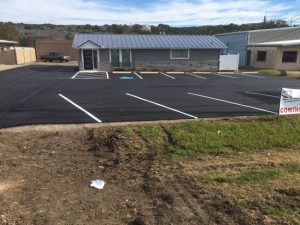
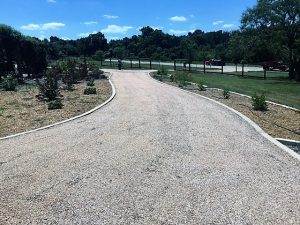
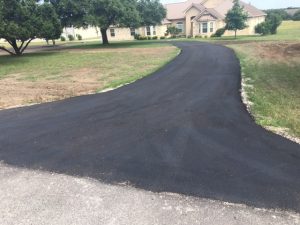
Real-World Experience & Case Examples
Frequently Asked Questions
How long do asphalt and concrete driveways last in Austin?
With proper installation and regular maintenance, asphalt driveways in Austin typically last 20–30 years. Concrete driveways last significantly longer — 30–50 years is realistic when the slab is properly reinforced and sealed. Austin’s heat and expansive clay soils can shorten the lifespan of either material when installation quality or maintenance is neglected. The biggest longevity factor is not the material itself, but the quality of the contractor and the sub-base preparation.
Which is more affordable — asphalt or concrete in Austin?
Asphalt is substantially cheaper to install, averaging $3–$5 per square foot compared to $6–$12 for concrete. However, asphalt requires more frequent maintenance — sealcoating every 3–5 years and periodic resurfacing — which adds to its lifetime cost. When you account for a 30–40 year ownership period, the total cost of ownership for both materials can be surprisingly similar. Concrete is typically the better long-term value if you plan to stay in your home for 15 or more years.
Which driveway material is easier to repair?
Asphalt wins on repairability. Cracks can be filled with readily available asphalt patching compound, and the surface can be renewed with an overlay without tearing out the entire driveway. Concrete repairs are more complicated — patches are difficult to blend with the surrounding slab, and significant structural cracking may require a full replacement. For homeowners who want the easiest ongoing maintenance, asphalt is the more forgiving choice.
Can a concrete driveway enhance my home’s curb appeal in Austin?
Absolutely. Concrete offers far more design options than asphalt. Stamped concrete can replicate the look of brick, slate, cobblestone, or tile. Acid staining and integral color treatments allow you to match your driveway to your home’s exterior. Exposed aggregate finishes add texture and visual interest. For Austin homeowners in design-forward neighborhoods, decorative concrete is one of the most impactful curb appeal investments available. Asphalt offers no comparable aesthetic customization.
How long does driveway installation take in Austin?
Asphalt installation is typically completed in one to two days, and the driveway is ready for light foot traffic within hours and vehicle traffic within 24–72 hours. Concrete installation also takes one to two days for the pour itself, but the curing process requires 5–7 days before driving on the surface — and 28 days to reach full strength. If you need your driveway operational quickly, asphalt has a clear timing advantage. Concrete projects should be planned at least one to two weeks ahead to account for curing time.


